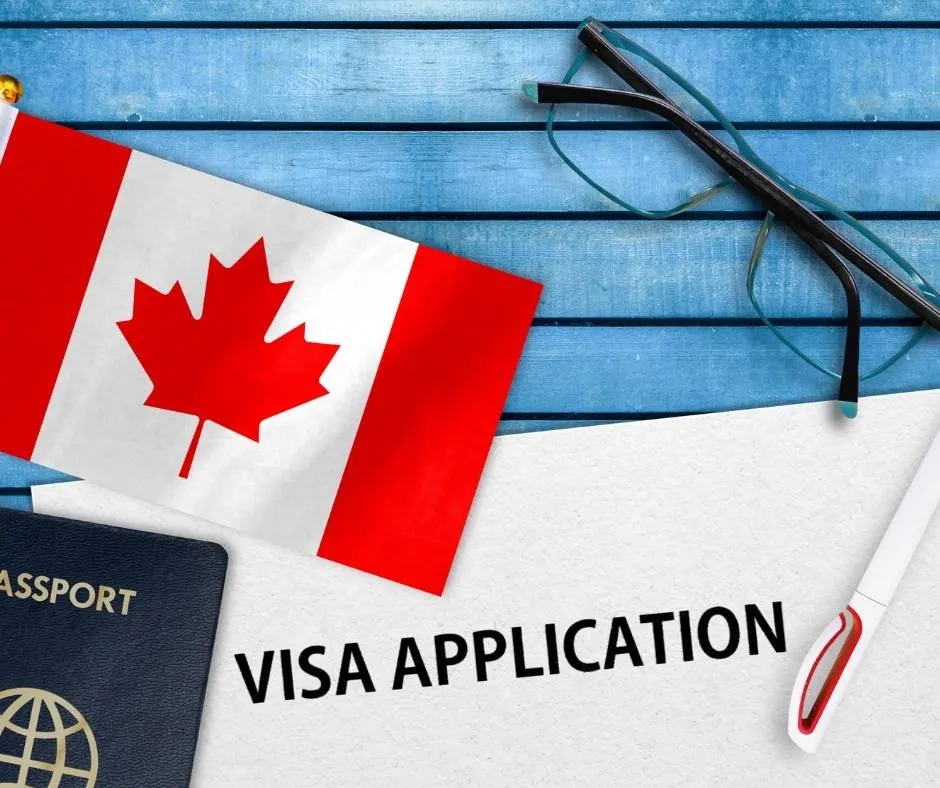
Canada, with its vast wilderness, vibrant cities, and welcoming culture, continues to captivate travelers from around the globe. Every year, millions of foreigners dream of exploring this breathtaking country, whether for work, study, or leisure. However, as the global travel landscape evolves, so do the pathways to access Canada. New opportunities, streamlined processes, and innovative programs are making it easier than ever for foreigners to fulfill their Canadian travel aspirations. This article explores ten emerging ways to travel to Canada.
Gone are the days when traditional tourist visas or permanent residency were the only options. Today, Canada’s progressive immigration and travel policies provide tailored pathways to suit a variety of travelers. Whether you’re a digital nomad, an entrepreneur, or a young professional seeking cultural exchange, Canada’s approach accommodates diverse aspirations. These new methods not only simplify access but also align with Canada’s goals of fostering global connections and addressing specific labor and skill gaps within its economy.
For many, traveling to Canada represents more than a vacation—it’s an opportunity to experience one of the most inclusive and diverse societies in the world. From its iconic national parks to its multicultural urban hubs, Canada’s offerings appeal to a broad audience. But beyond the scenery and experiences, Canada’s policies reflect its openness to global talent, innovation, and collaboration. With flexible travel routes now available, foreigners can engage with the country’s culture and economy like never before.
This article highlights ten new ways foreigners can make their way to Canada, each tailored to different interests and needs. From specialized work permits and international exchange programs to eco-tourism initiatives and tech-friendly pathways, these opportunities reflect Canada’s dynamic approach to global travel and immigration.
Whether you’re considering a temporary stay or a long-term move, these innovative travel methods open doors to exploring Canada on your terms. By diving into the details of each option, this guide aims to provide practical tips and actionable advice for travelers eager to experience all that Canada has to offer. Read on to discover how you can turn your dream of traveling to Canada into reality through these exciting and accessible options.
1. Digital Nomad Pathways
As remote work continues to rise, Canada has opened its doors to digital nomads. While Canada does not yet have an official “digital nomad visa,” many provinces and territories welcome remote workers under various permits. Foreigners can apply for temporary resident visas and showcase their ability to sustain themselves financially while working remotely. The Global Skills Strategy program, in particular, can streamline the application process for tech professionals seeking short-term stays.
2. Canada’s Start-Up Visa Program
Entrepreneurs seeking to establish innovative businesses in Canada can benefit from the Start-Up Visa program. This unique initiative targets foreign business owners with scalable business ideas that can create jobs for Canadians. Applicants need support from a designated organization, such as a venture capital firm, angel investor, or business incubator. Once approved, you can gain permanent residency, allowing you to travel and reside in Canada while building your enterprise.
3. CETA Work Permits for Europeans
The Comprehensive Economic and Trade Agreement (CETA) provides European Union citizens unique access to work permits in Canada without requiring a Labour Market Impact Assessment (LMIA). This makes it easier for professionals in certain industries to travel to Canada for business purposes. Whether you’re attending conferences, facilitating trade, or offering specialized services, CETA simplifies access for short-term and long-term stays.
4. International Experience Canada (IEC)
The International Experience Canada program offers young adults (aged 18 to 35) from eligible countries the chance to work and travel in Canada. With three categories—Working Holiday, Young Professionals, and International Co-op—IEC allows travelers to earn an income while exploring Canada’s vast landscapes. The program is particularly popular among citizens of Australia, New Zealand, the UK, and several European countries.
5. Enhanced Travel Authorization (eTA)
Canada’s electronic Travel Authorization (eTA) system has been upgraded to include more eligible travelers. Citizens from visa-exempt countries can apply for an eTA, which is linked to their passport and remains valid for up to five years. Recently, Canada has expanded the list of countries whose citizens qualify for an eTA, making short-term travel simpler and more accessible than ever.
6. The Agri-Food Pilot Program
Foreigners interested in working in Canada’s agricultural and food processing industries can now apply through the Agri-Food Pilot. This pathway helps address labor shortages in key sectors like meat production, mushroom farming, and greenhouse operations. Workers under this program can gain valuable experience, explore Canada’s rural regions, and eventually apply for permanent residency.
7. Open Work Permits for Spouses and Partners
Traveling to Canada is now easier for spouses and common-law partners of Canadian citizens, permanent residents, or skilled workers. Open work permits allow them to work for any Canadian employer, offering financial flexibility while exploring the country. Additionally, the Canada-Ukraine Authorization for Emergency Travel (CUAET) program has further simplified the process for Ukrainian nationals and their families.
8. Atlantic Immigration Program (AIP)
The Atlantic Immigration Program (AIP) is designed for skilled workers and international graduates who wish to live and work in Canada’s Atlantic provinces (Newfoundland and Labrador, Prince Edward Island, Nova Scotia, and New Brunswick). With employer-driven support, the AIP allows applicants to secure job offers and permanent residency. The program’s flexibility makes it a fantastic option for those seeking a unique Canadian experience by the Atlantic Ocean.
9. Specialized Study Programs
Canada’s educational institutions are globally renowned, and international students can now take advantage of specialized programs that combine study and travel. Options like short-term certificate courses, exchange programs, and language training courses offer an immersive experience. Many provinces also allow students to work part-time, enabling them to explore Canada while earning an income.
10. Adventure and Eco-Tourism Initiatives
For travelers seeking a truly unique experience, Canada offers new eco-tourism and adventure travel initiatives. Programs such as Indigenous-led tourism, wildlife conservation volunteer work, and sustainable travel packages allow foreigners to explore Canada’s natural beauty responsibly. These programs often come with special visas or permits tailored to their focus areas, providing a fresh perspective on Canadian travel.
Tips for a Successful Trip to Canada
- Plan Ahead: Research the specific requirements for your chosen travel method, including necessary documentation and application timelines.
- Use Trusted Resources: Refer to the official Immigration, Refugees, and Citizenship Canada (IRCC) website for the most accurate and up-to-date information.
- Leverage Professional Help: Immigration consultants or travel specialists can guide you through complex processes, ensuring your application is error-free.
- Stay Flexible: Travel regulations can change; staying adaptable will ensure a smoother journey.
Final Thoughts
Canada’s diverse travel pathways reflect its commitment to inclusivity and global engagement. Whether you’re a digital nomad, entrepreneur, student, or adventure-seeker, there’s a route tailored to your needs. By staying informed and prepared, you can make the most of these opportunities and embark on an unforgettable Canadian adventure.